Proudly Serving
Amelia Island, Fernandina Beach, Wildlight & Yulee since 1990.
We accept checks, money orders, cash, Venmo (@miltsair), and all major credit cards. Credit card transactions $1500 and over are subject to a 3% processing fee. If your invoice is over $1500 and you still wish to proceed with credit card payment continue to PAYMENT PAGE. You will be contacted the next business day for collection of the 3% fee.
You might not think much about your HVAC filter. It’s easy to forget. But did you know that dirty filters can increase your energy bill by up to 15%?
That’s right — something as small as a clogged air filter can lead to higher costs, poor airflow, and unnecessary strain on your heating and cooling system. In this blog, we’ll explain why that happens, how often to change your filters, and how clean filters keep your home efficient and comfortable.
Let’s break it down.
Your air filter traps dust, dirt, pollen, pet dander, and other debris. It keeps your HVAC system clean and helps improve your indoor air quality.
When your filter is clean, air flows freely. But when it’s clogged, your system has to work harder to push air through. That extra work uses more energy, and that shows up on your monthly bill.
A dirty filter restricts airflow. That restriction forces your system to run longer and work harder to reach your desired temperature.
According to the U.S. Department of Energy, replacing a dirty filter with a clean one can lower your HVAC energy use by 5% to 15%. (Source)
That’s a big deal when you consider how much you spend monthly on heating and cooling — especially during extreme weather months.
Higher energy bills aren’t the only downside. Here are other issues a clogged filter can create:
Dust, allergens, and even mold spores circulate when the filter can’t trap them. This can trigger allergies and respiratory issues.
Restricted airflow can cause coils to freeze or the furnace to overheat, leading to system breakdowns.
When your HVAC unit works harder than it should, parts wear out faster. Replacing a unit is far more expensive than a filter.
Rooms may feel too hot or too cold. A blocked filter causes uneven airflow, making your system struggle to maintain balance.
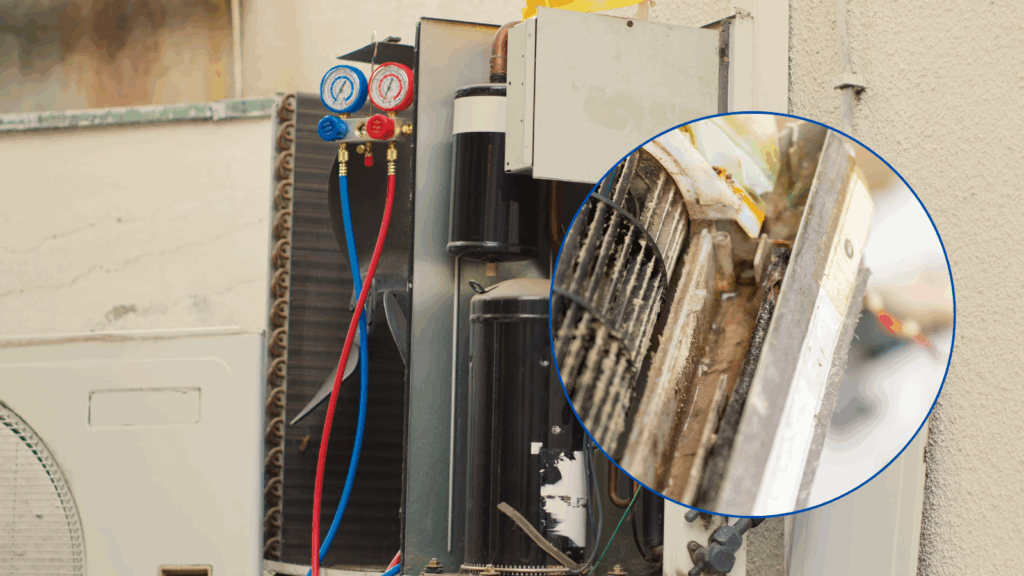
The answer depends on several factors, like the type of filter, the number of people in your home, and whether you have pets.
Tip: Check your filter monthly. If it looks gray and dirty, replace it — even if it’s ahead of schedule.
Not sure when it’s time? Watch for these common signs:
Changing your filter is one of the easiest — and cheapest — ways to improve your home’s comfort and efficiency.
Here’s what you gain:
Plus, it’s something you can do yourself in minutes. No tools required.
Still not sure where to start? Our HVAC maintenance team at Milt’s Air can help.
Yes, it can. Most HVAC manufacturers require regular filter changes as part of their warranty terms. Failing to maintain your system may void the warranty, leaving you to pay out of pocket for repairs or replacements.
If you’ve changed your filter and your bill is still high, it could be due to:
Our technicians can perform an energy audit to find the real issue. A quick tune-up or upgrade may be all you need to save big.
Keeping your air filters clean is a small task with a big payoff. Not only can it reduce your energy bill by up to 15%, but it also helps your HVAC system run smoother and last longer.
If you’re not sure how often to change your filter — or if your system needs a full inspection — we’re here to help.
Schedule a maintenance visit today with Milt’s Air and stay ahead of costly surprises.
Consider upgrading to a smart thermostat or installing a filter monitor. These tools remind you when it’s time to change the filter and help you track energy usage.
Learn more about smart HVAC tech from Energy Star here.
Amelia Island, Fernandina Beach, Wildlight & Yulee since 1990.